

Thanks, it has pockets!
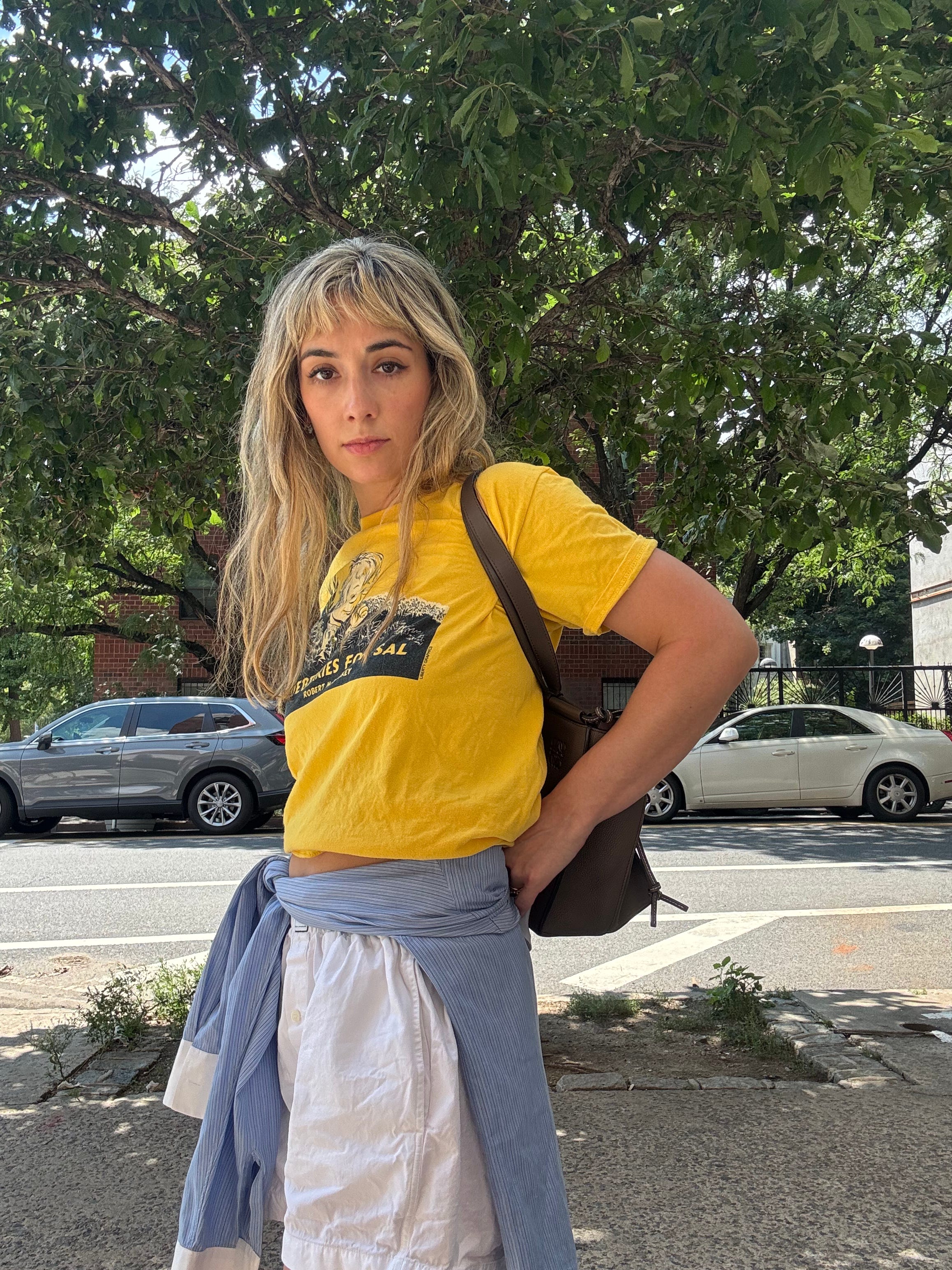
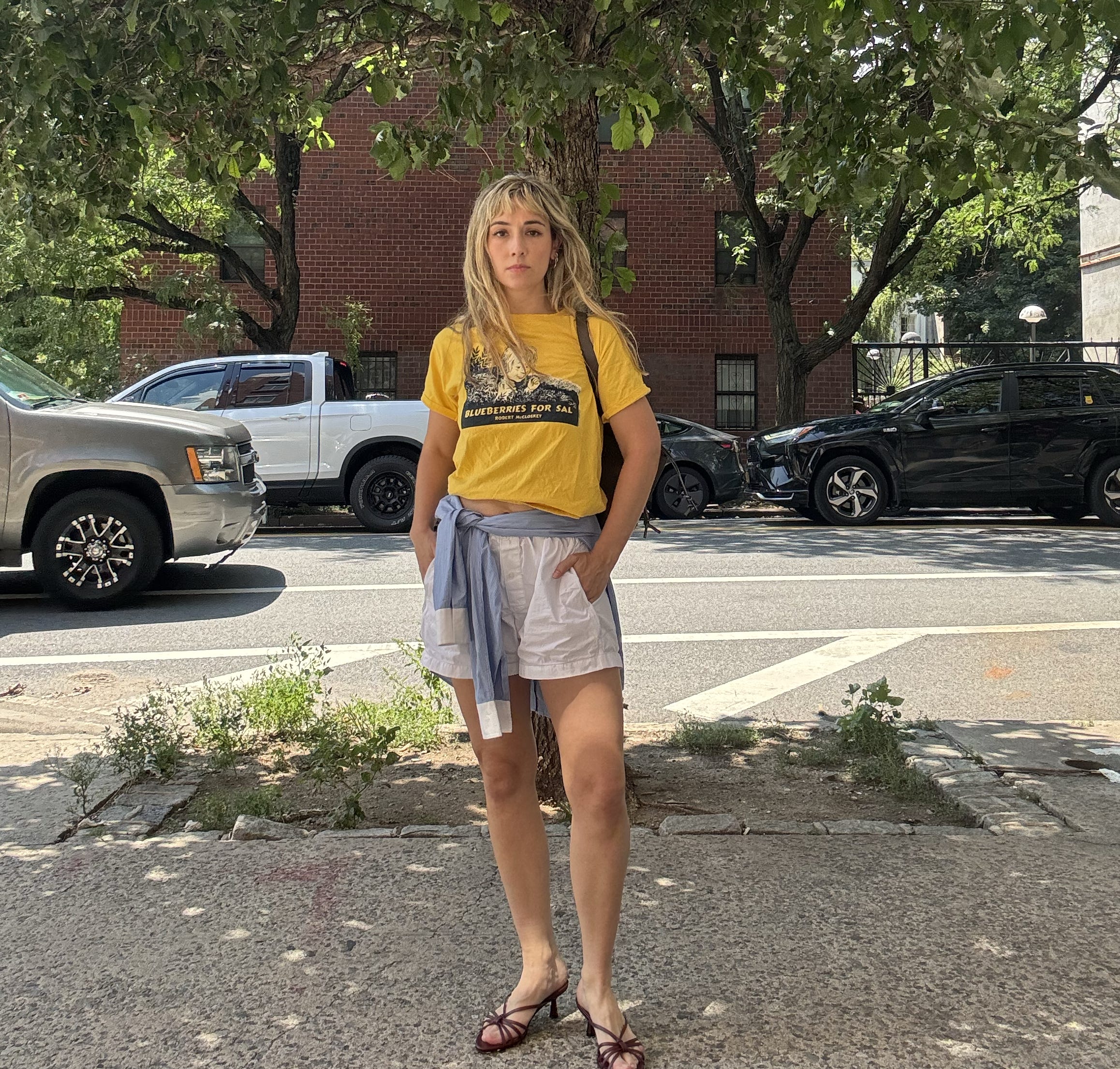
The built-into-your-clothes bag is a design feature beyond function; underscoring the big four pocket types with four pairs of shorts

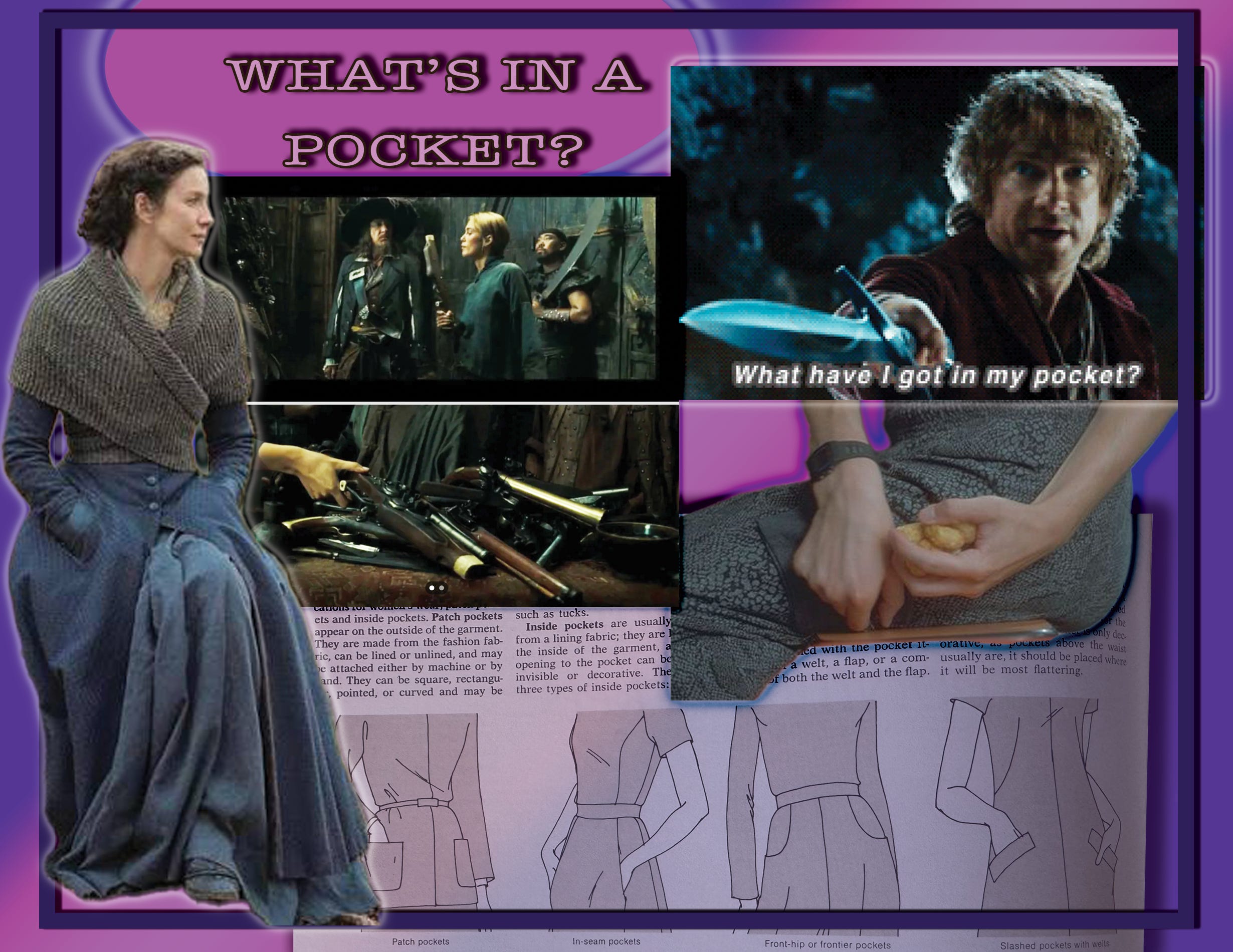
Pockets: small container, no small feat
We’re back with another in the series of a touch of technical design (last we met, it was bodice fit); this time it’s in covering those hands-free built-in bags, lovingly known as pockets. While the addition of pockets to a garment design obviously adds a sneaky container bonus, there’s more to consider than what meets the eye, (or doesn’t, if we’re talking on-seam pockets) when evaluating your clothes’ pockets. In order to best assist you as the clothing consumer in becoming more adept at what to look for—and what price to pay—for garments with and without those on-hand handbags, allow me to first examine some of pockets’ storied past.
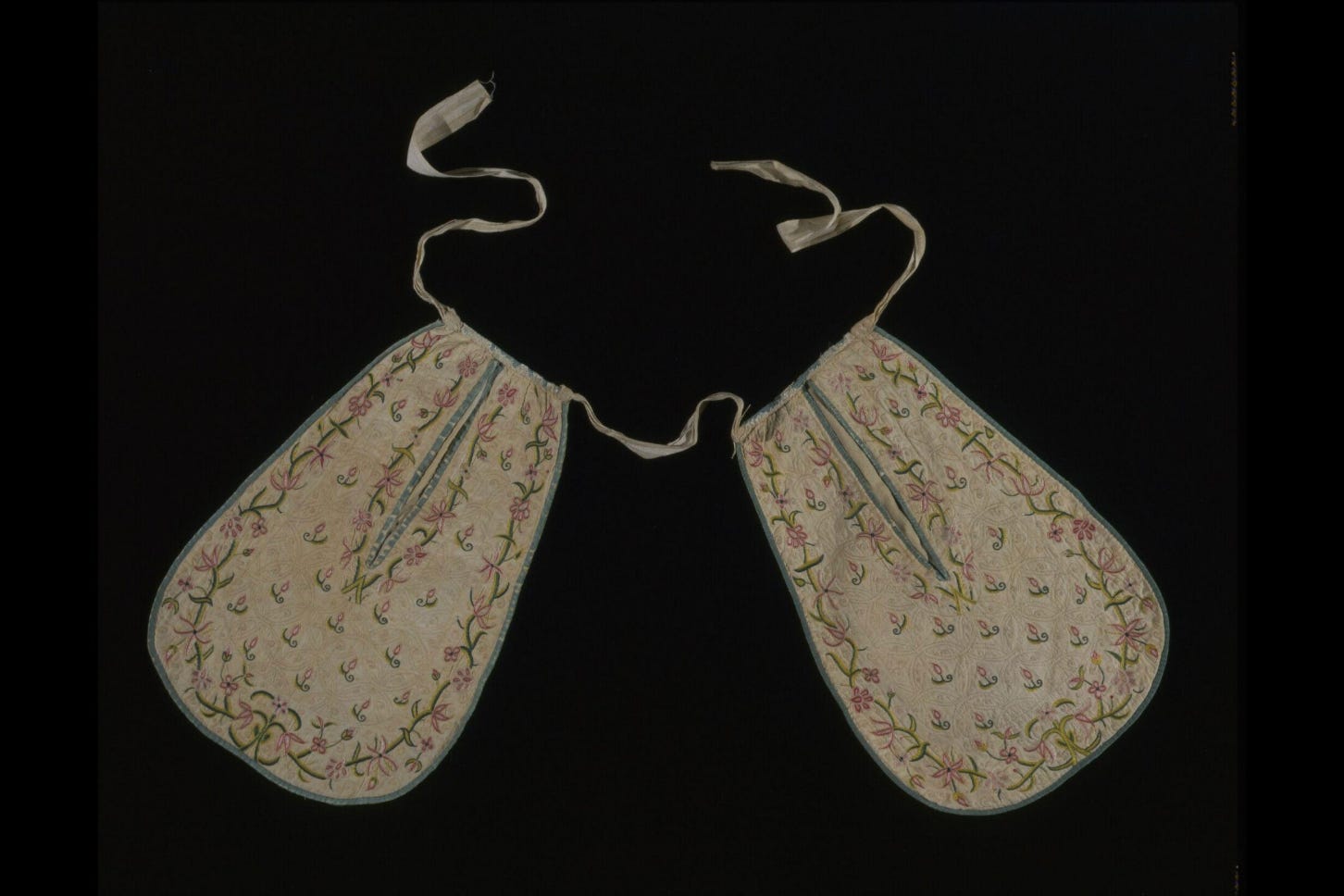
Pockets from the past
Tracing back 500 years, it was men who first enjoyed the benefits of having a garment-provided place to stick their hands. Womenswear, though, soon followed suit with the invention of waist belted pockets like the above. In French Rococo fashion history, panniers got out of control as a version of this belted waist pocketbags design, with their addition being that signature boning for structure and to achieve the exaggerated hip width skirt design of the times. Women’s panniers and all pocket bags throughout history of this sort were of course worn underneath many heavy layers of skirts and accessible by the petticoats’ side slit opening (like Claire Frasier in Outlander). Back to Rococo era for a second, though: it’s interesting to note how milk-maiden inspired details were worn by royalty, notoriously including Marie Antoinette herself (isn’t it so typical for the rich to “knock off” apparel of the poor? This was the 1700s version of today’s “email jobs” dudes wearing Carhartt). Some of Rococo era pinafores and apron skirts featured visible oversized patch pockets, likely used for function by true milk maidens carrying and collecting what have you on the farm; and I like to think also used for the secret transportation of love notes for all.
Today pockets are nearly always an essential part of every garment design, at least for pants, shorts, and skirts. The inclusion or exclusion by the clothing designer or brand of handy-dandy on-garment bags isn’t just based on price or laziness, either. With the expansion of pockets as a necessary garment component, and the globally influenced design economy, the pocket has, for a century at least, required many a consideration, and broadened stylistically and functionally to many varieties. Just what those pocket types are is where your shopping and wearing considerations come in, so I’ll finally get on with it to the Big Four types of pockets.
All textbook images are from two of my beloved college textbooks:
The Reader’s Digest. Complete Guide to Sewing. Copyright 1976 The Reader’s Digest Association, Inc.
Joseph-Armstrong, Helen. Patternmaking for Fashion Design, Fifth Edition. Copyright 2010 by Pearson.
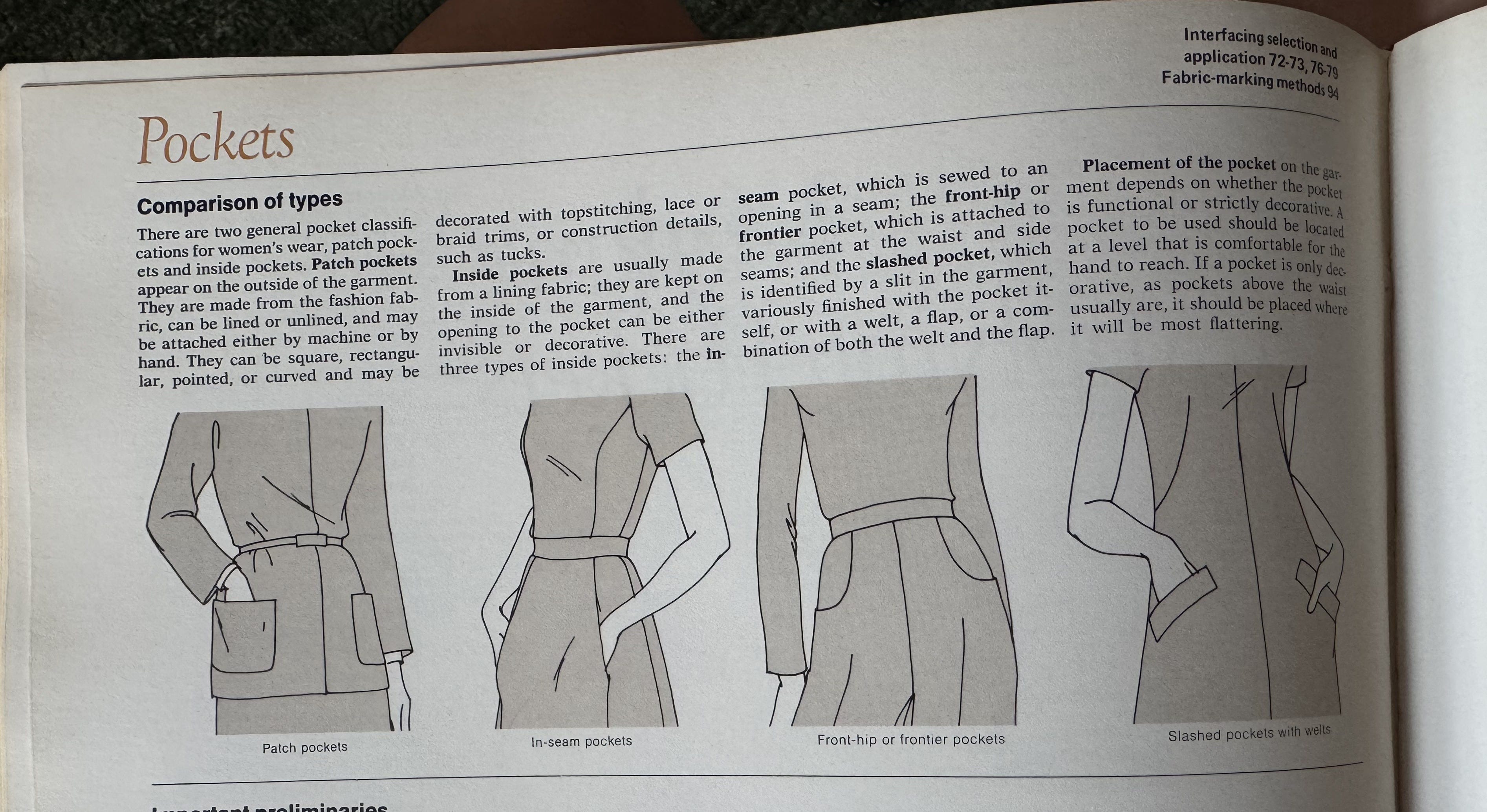
Pocket types for fashion, for function, for fun
1. Patch pockets
Patch pockets are qualified by their name: they are pieces of fabric (or, patches) applied directly atop a garment. Any pocket that is not positioned within a seam, is not sliced into the fabric (we’ll get into welts later, ouch), and has clearly applied edges, is a patch pocket. You can get the most whacky with patch pockets in general, since this style is the least technical and the most visible from the exterior of the garment.
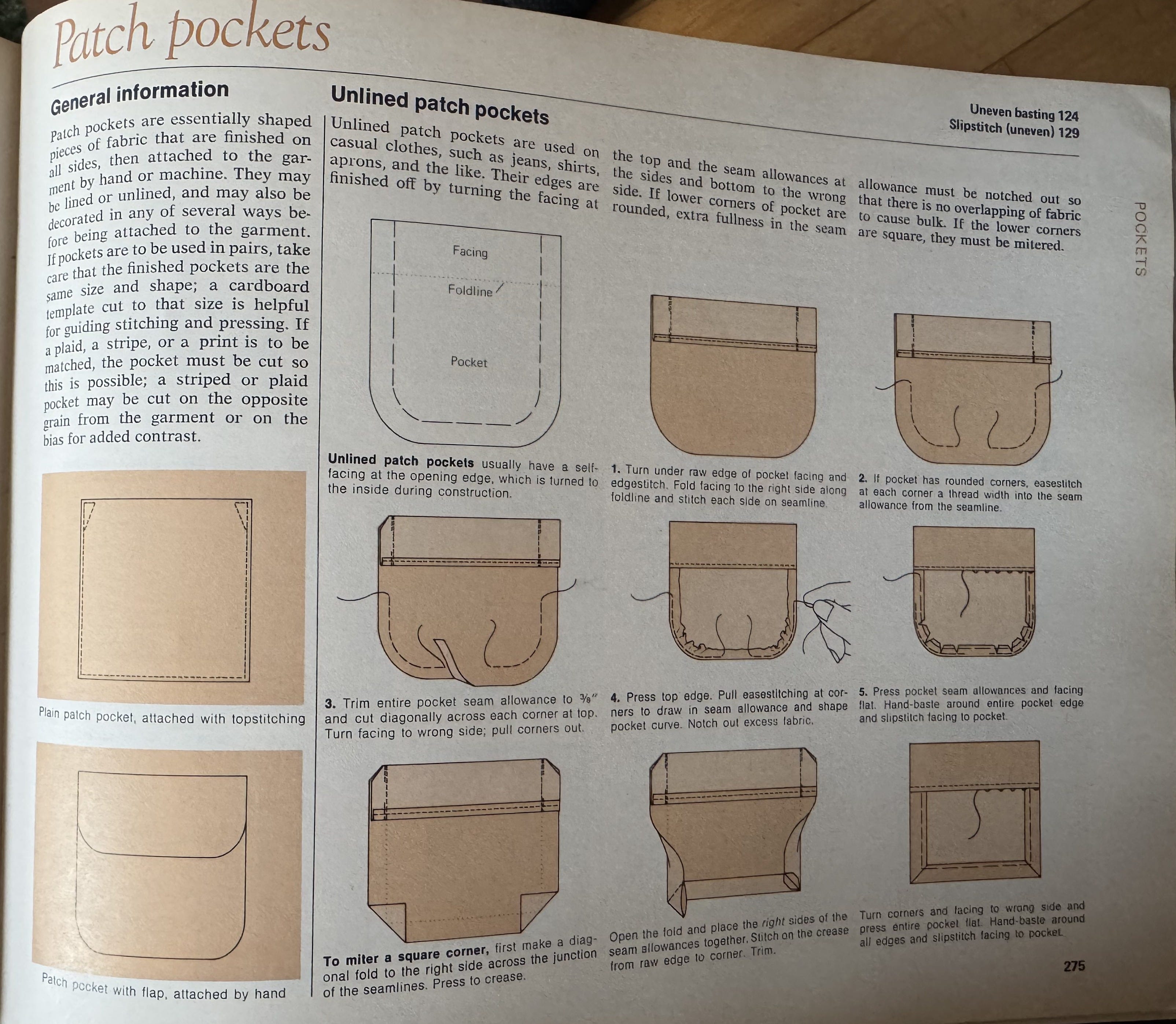
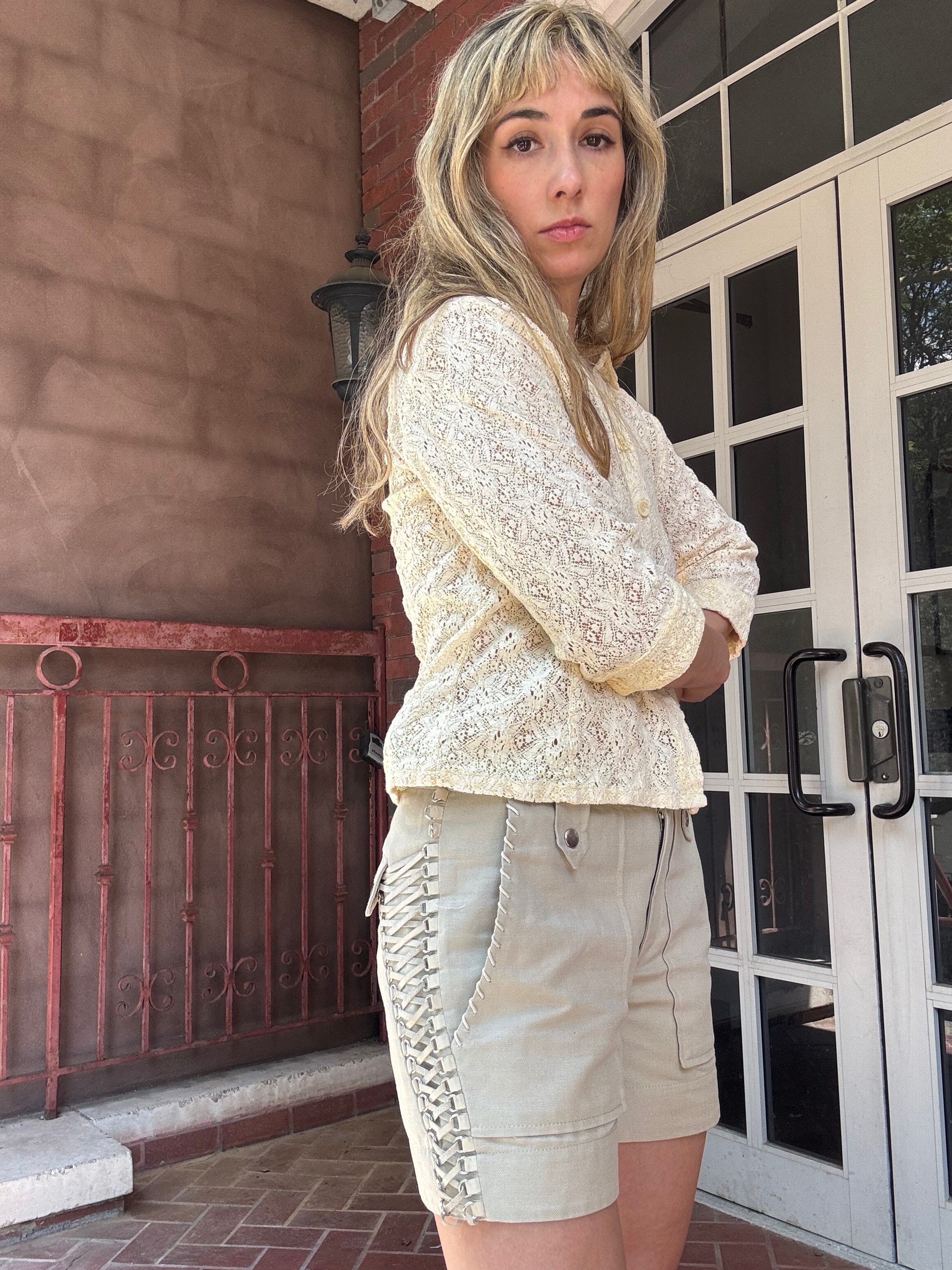
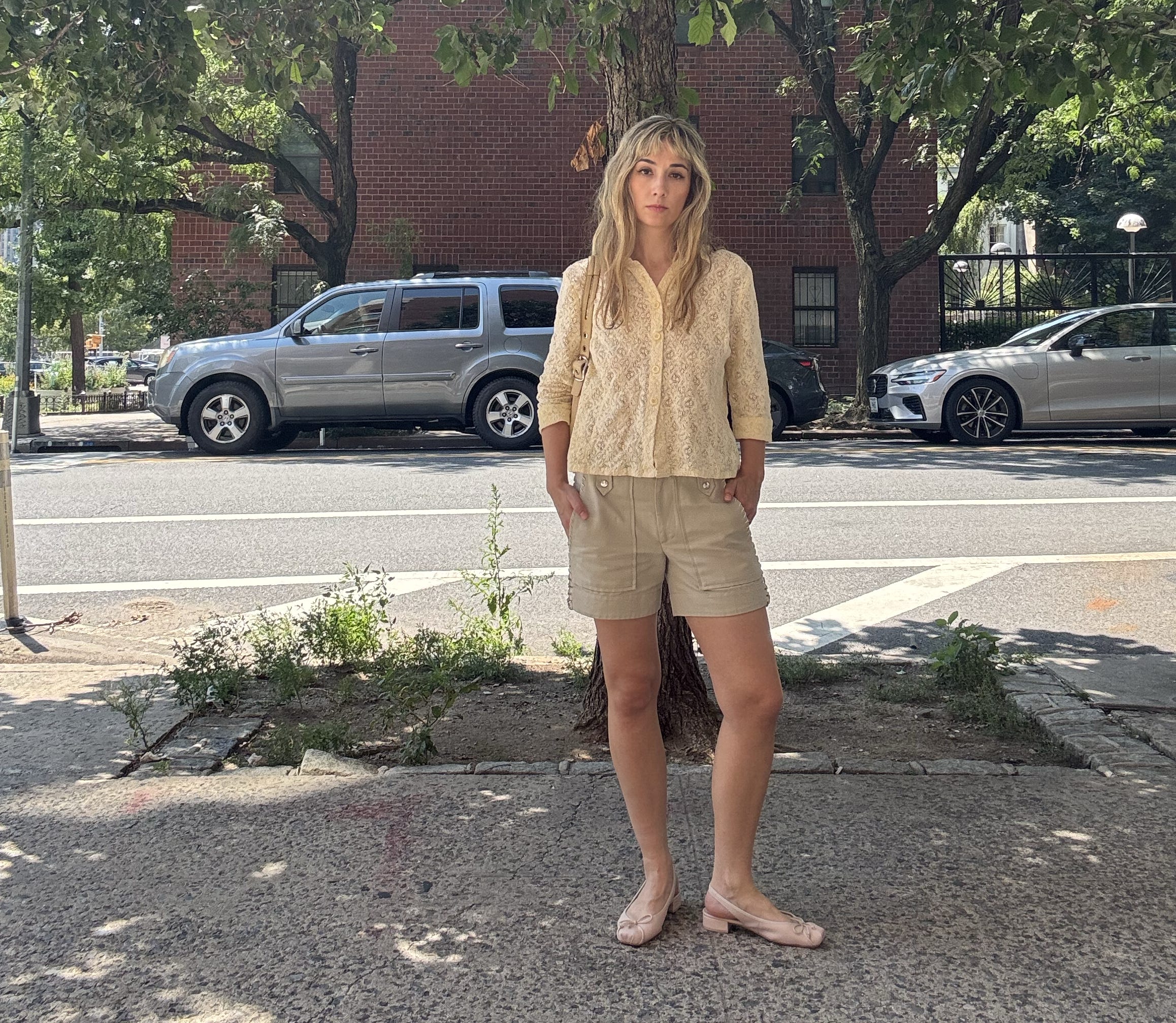
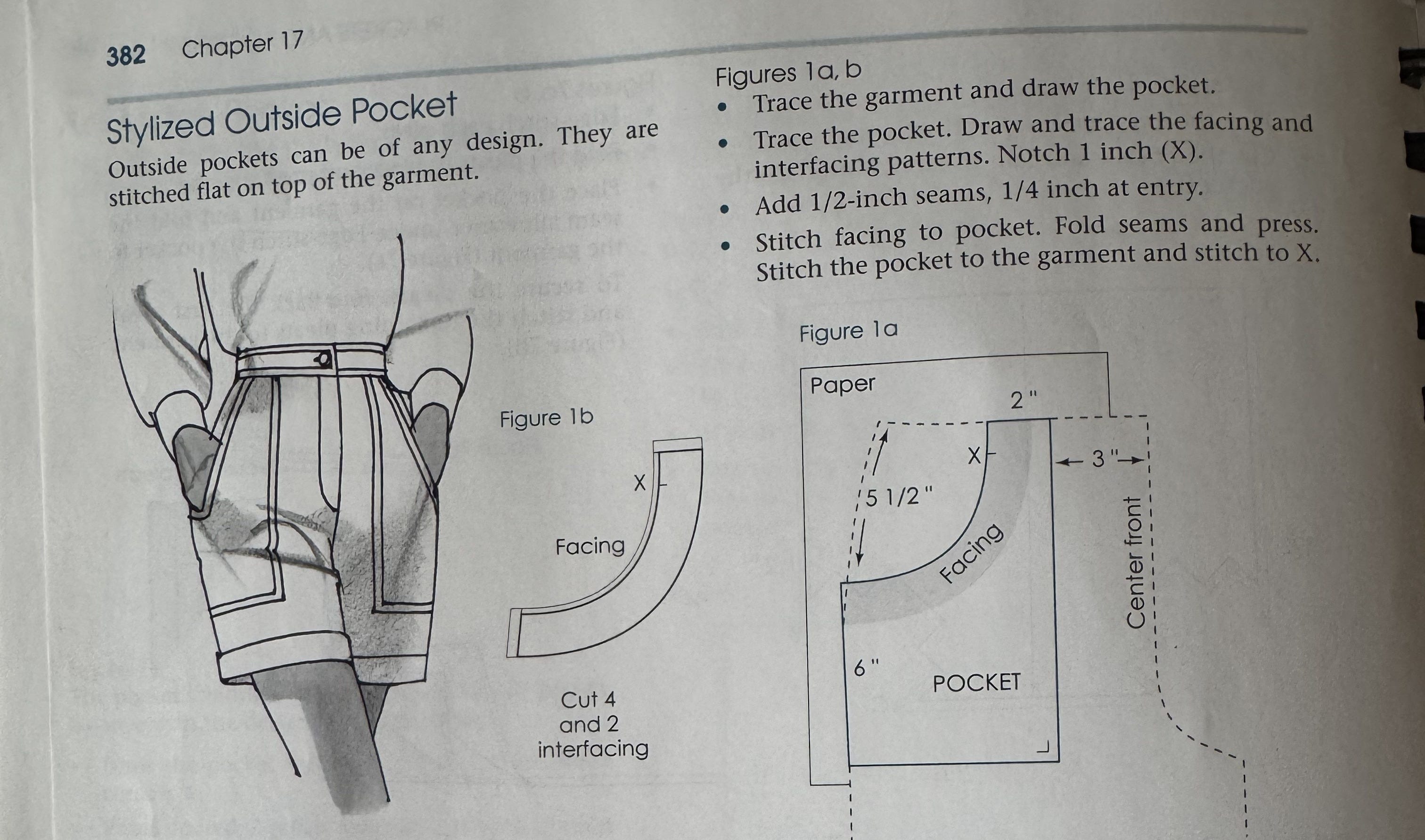
While the most standard patch pocket example is the rectangular, pointed bottom edge pockets at the butt on a pair of Levi’s, patch pockets may also include flaps placed along their top edge—sometimes with a button/snap closure—pleats/gussets or extra layers (like cargo pockets), or they may just be in the form of the designer having a pocket existential crisis and trying to make it cute, i.e. a heart-shaped pocket.
pros
the most casual therefore great for jeans, casual shirts, cargo pants/shorts
adds a lil something extra to your vibe: think Sacai (adore)
can get experimental with shape, topstitching, to flap or not to flap, buttons or other closures, metal details like rivets or jean buttons
can have as many patch pockets pretty much as you want to one garment
cons
the most casual, so feels somewhat out of place on wool trousers, silk blouses, eveningwear, etc.
depending on type, can add more to garment cost bc there is greater fabric usage, and if multiple lines of topstitching, thread and increased order of operations adds to cost
adds bulk
2. Slash pockets (predominantly welt)
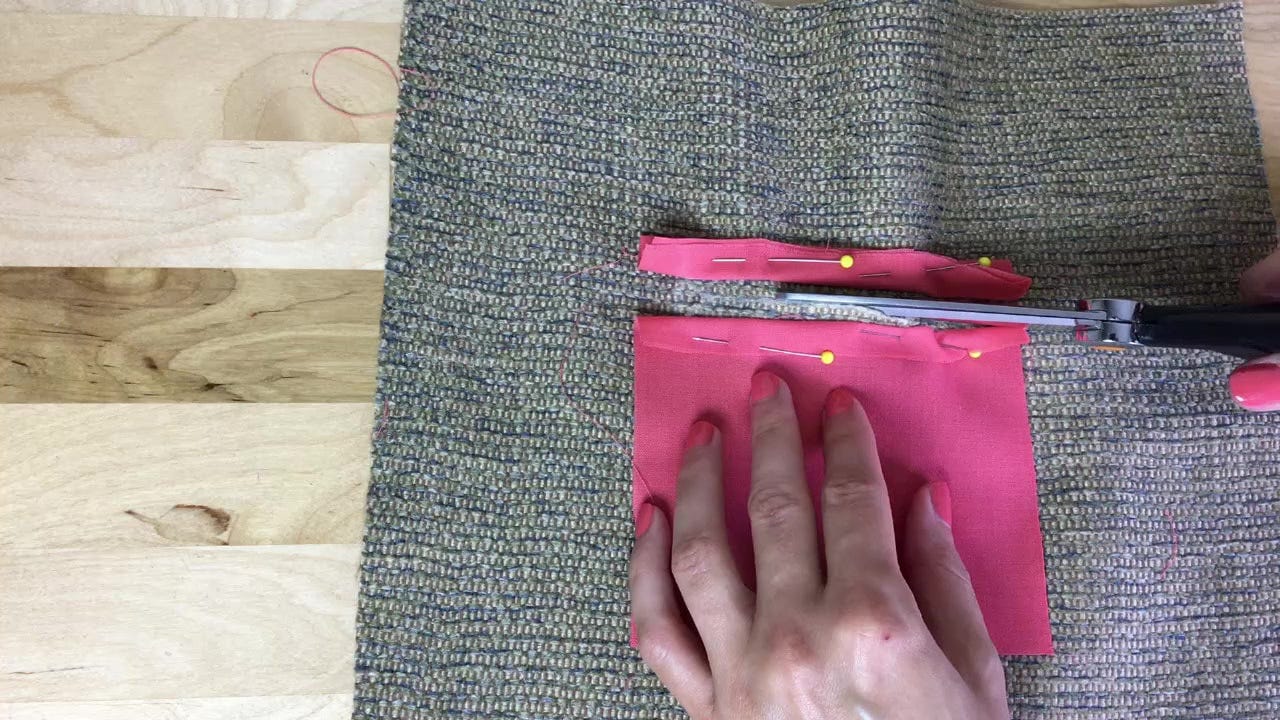
While the sewist may not get an actual welt during the construction of a welt pocket, they may experience a spike in cortisol, as creating a welt pocket requires cutting into the actual outer layer of fabric. This method is a tough one to explain with just words, but I’ll attempt to anyhow: welt pockets, with pocket bag fabric, inner layer interfacing (a reinforcing/stabilizing textile in tailoring), and a little bit of outer fabric sewn to these layers, require a slice be made to the outer layer of fabric for the creation of an opening through which to “pull” these pieces of future pocket formation.
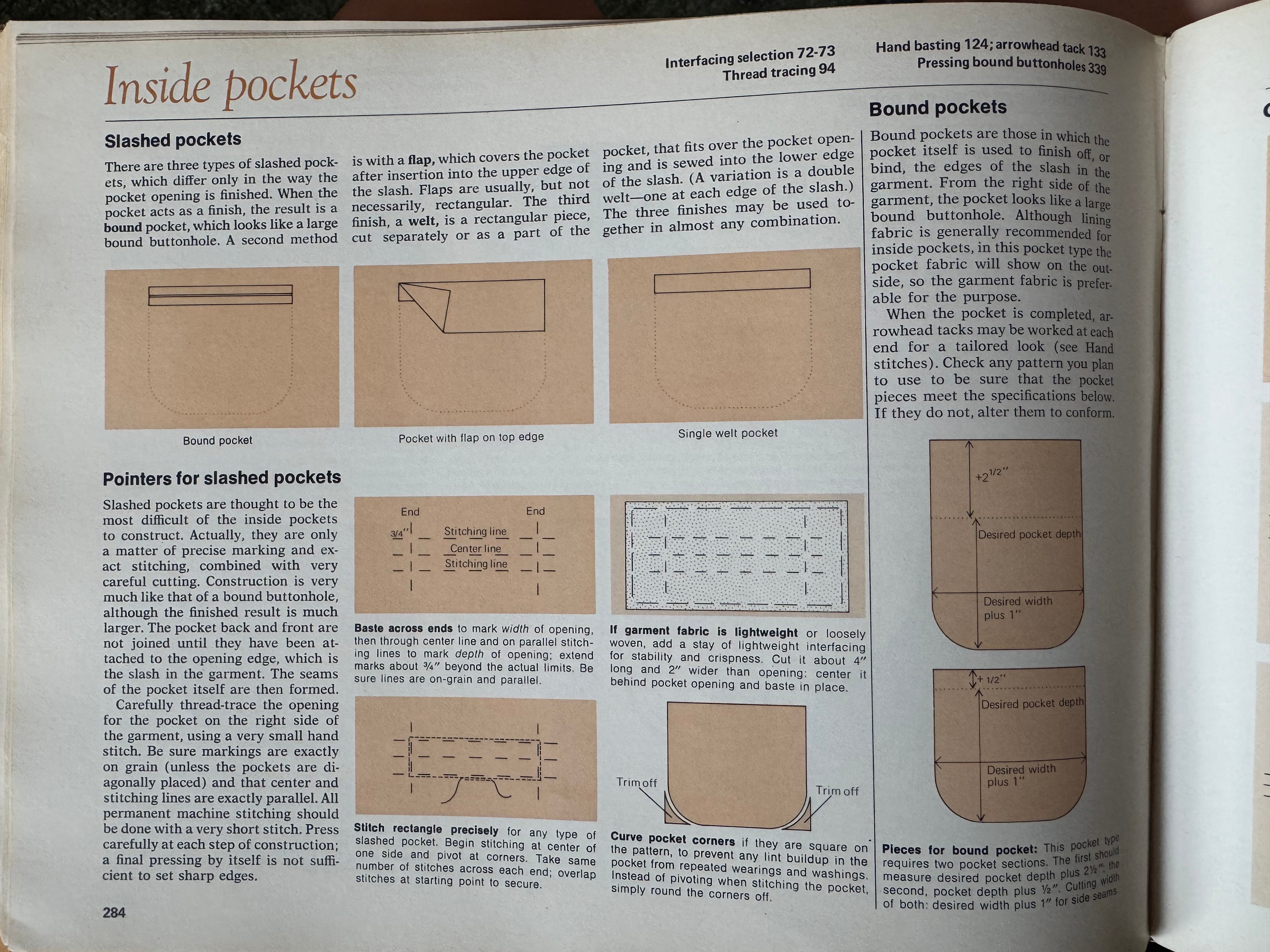
I’ll never forget a time in college when my friend and I were in the sewing lab late, both having decided to add welt pockets to our school projects and she not once, but twice, sewed her welt pockets upside down (by accident). Luckily, the pocket bags could still hang the right direction, but the welt rectangles themselves were facing the wrong direction. Even though there was no turning back (as is the nature with welt pockets; you can’t uncut something), we had a good laugh regardless.
pros:
the most elevated and sleek
exudes a lovely, tailored quality
cons:
the most expensive to construct
the least durable and stable
more specific to tailored garments (can look out of place outside outside the realm of woolen trousers and cotton chinos; or on bottoms, can look strange anywhere but butt placement)
fabric-dependent, pocket bags’ edges can show through on something like tight pants if they’re a$$ placed and the fabric is sheer and/or thin
3. On-seam / in-seam pockets
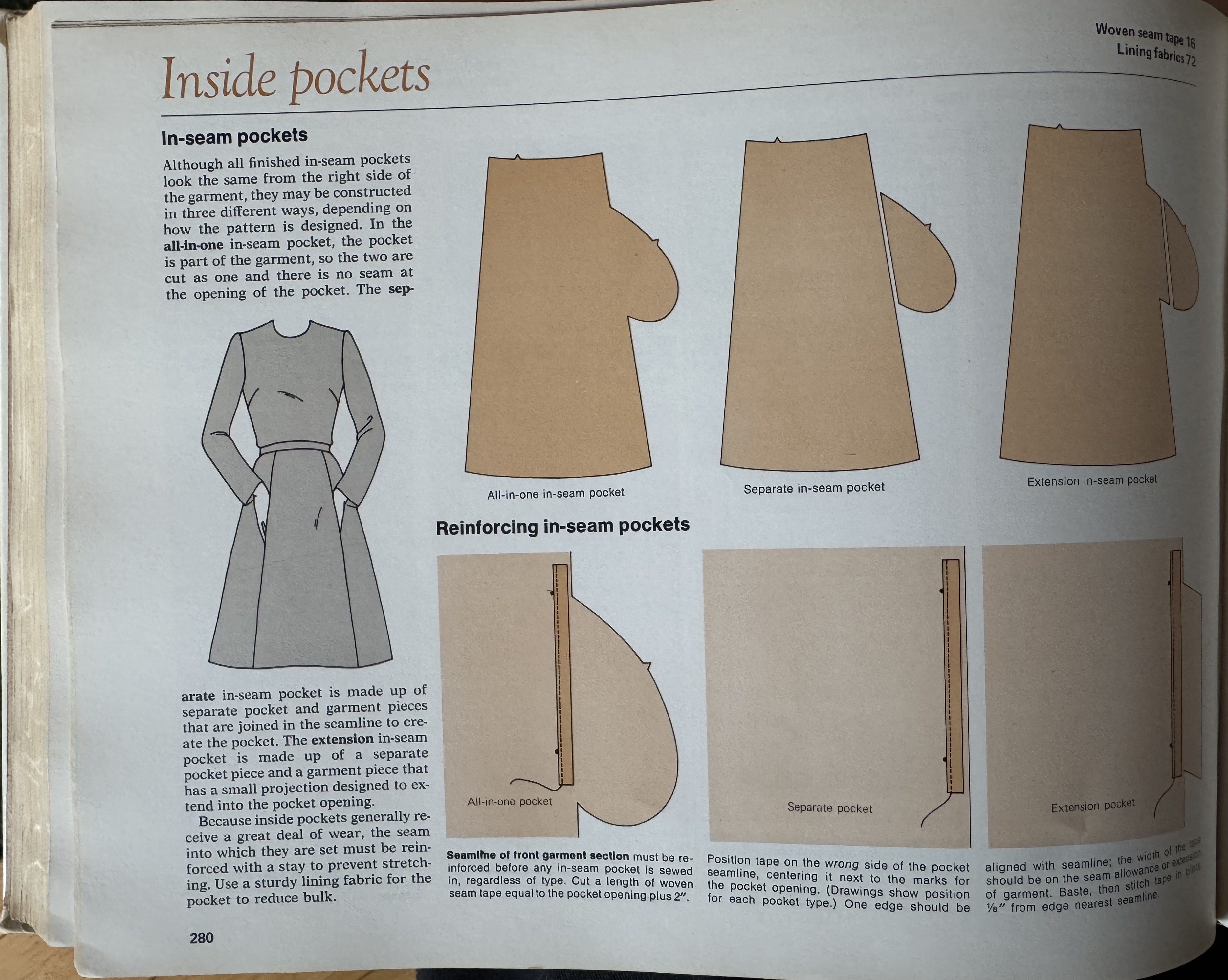
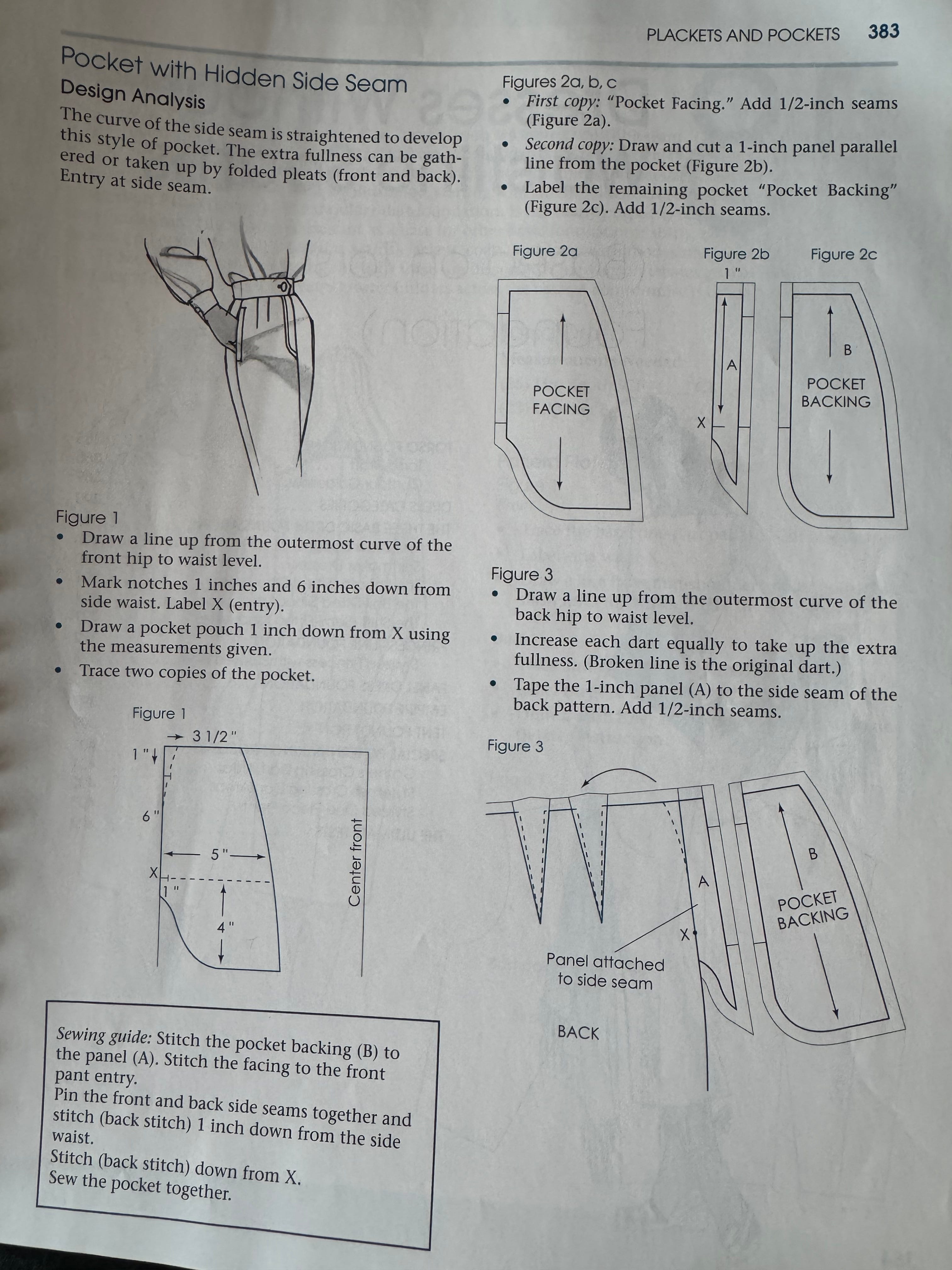
Another pocket style that’s just as the name implies, are on-seam pockets (sometimes referred to as “in-seam” pockets although I don’t like to use “inseam” for anything other than pants inseams), a style of pocket positioned within a seam. Their “bags”, like welt pocket bags, are not visible from the outside of the garment but, unlike welt pockets, on-seam pockets do not require any slicing of the outer layer’s fabric, nor do they contain that fancy rectangular “lip” of fabric that is a welt pocket’s signature. Actually, no part of on-seam pockets should be seen from the outside, (unless a part of it is intentional like adding a pocket flap). By use of what’s called a “facing”, and pocket bag fabric (often different than the outer fabric for cost and to lessen garment’s weight or show-through properties), on-seam pockets are, simply put, a slit opening along an otherwise closed seam. On-seam pockets most common placement and garment(s) use is at the outside seam on skirts and pants.
pros
has a minimal, “invisible” design
generally less expensive to sew and pattern
cons
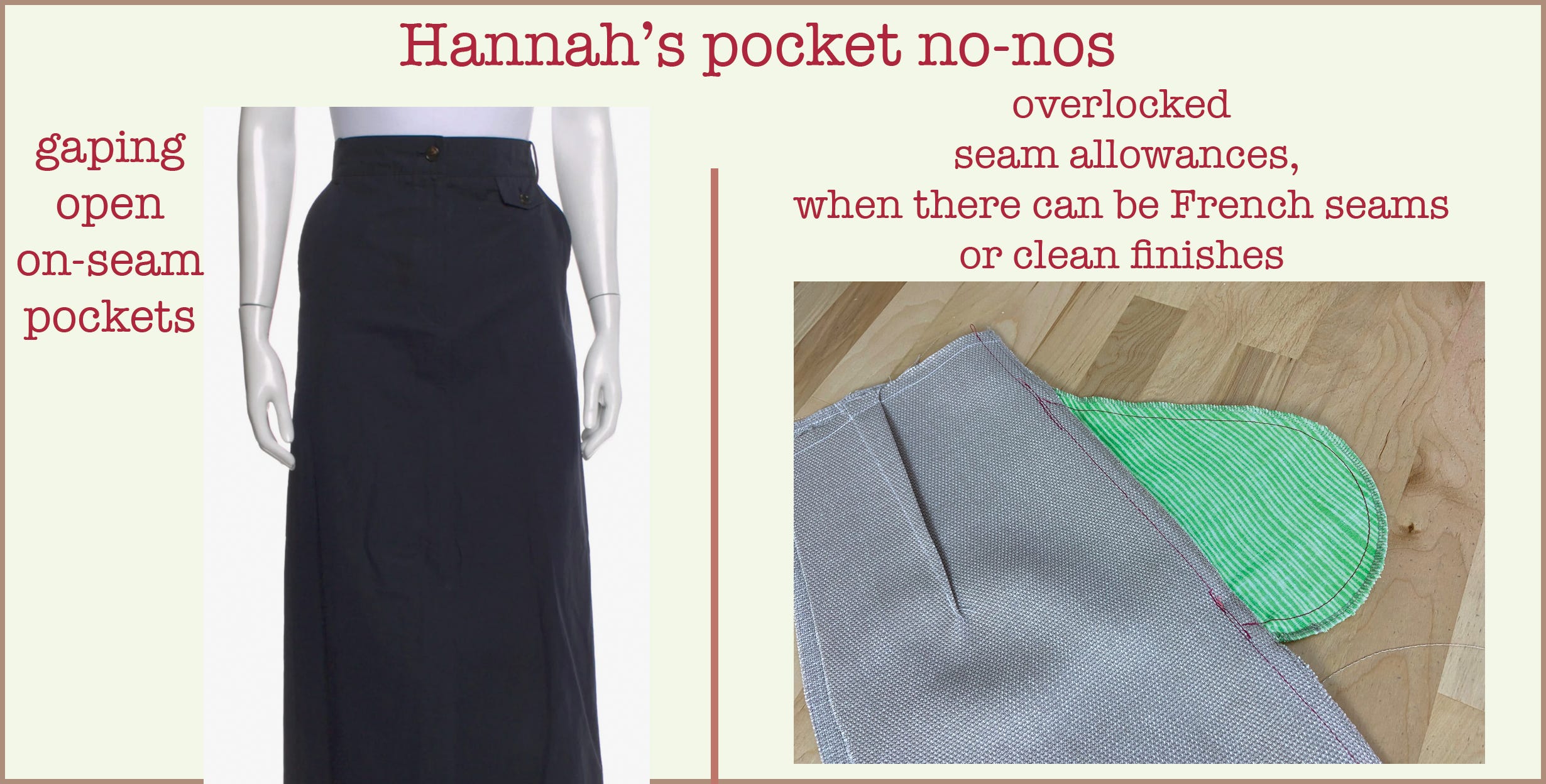
depending on garment style, can gape open at the sides
not available with certain design details like all over pleats or anywhere where there isn’t a seam available to the design
Angled & curved pockets:
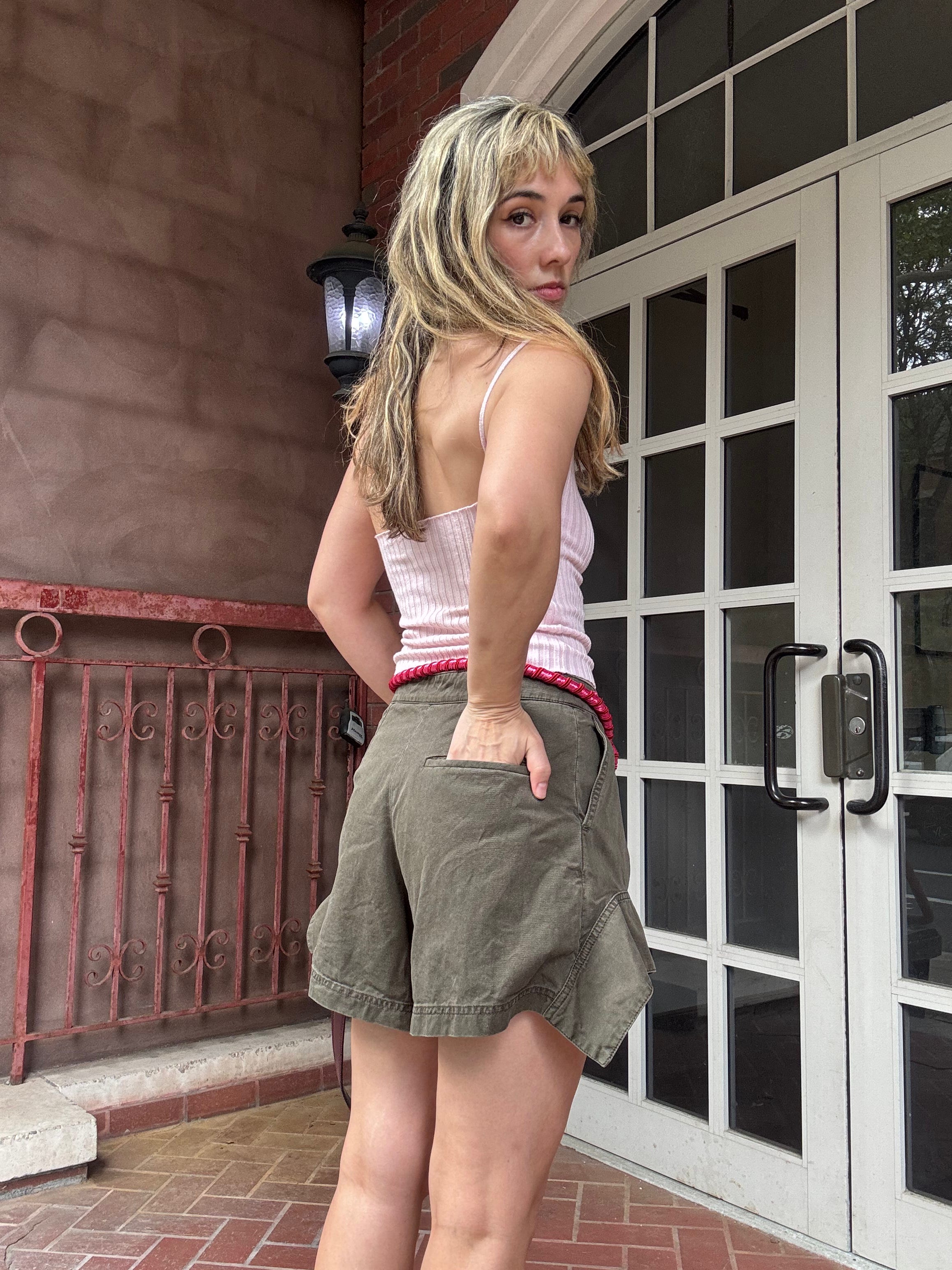
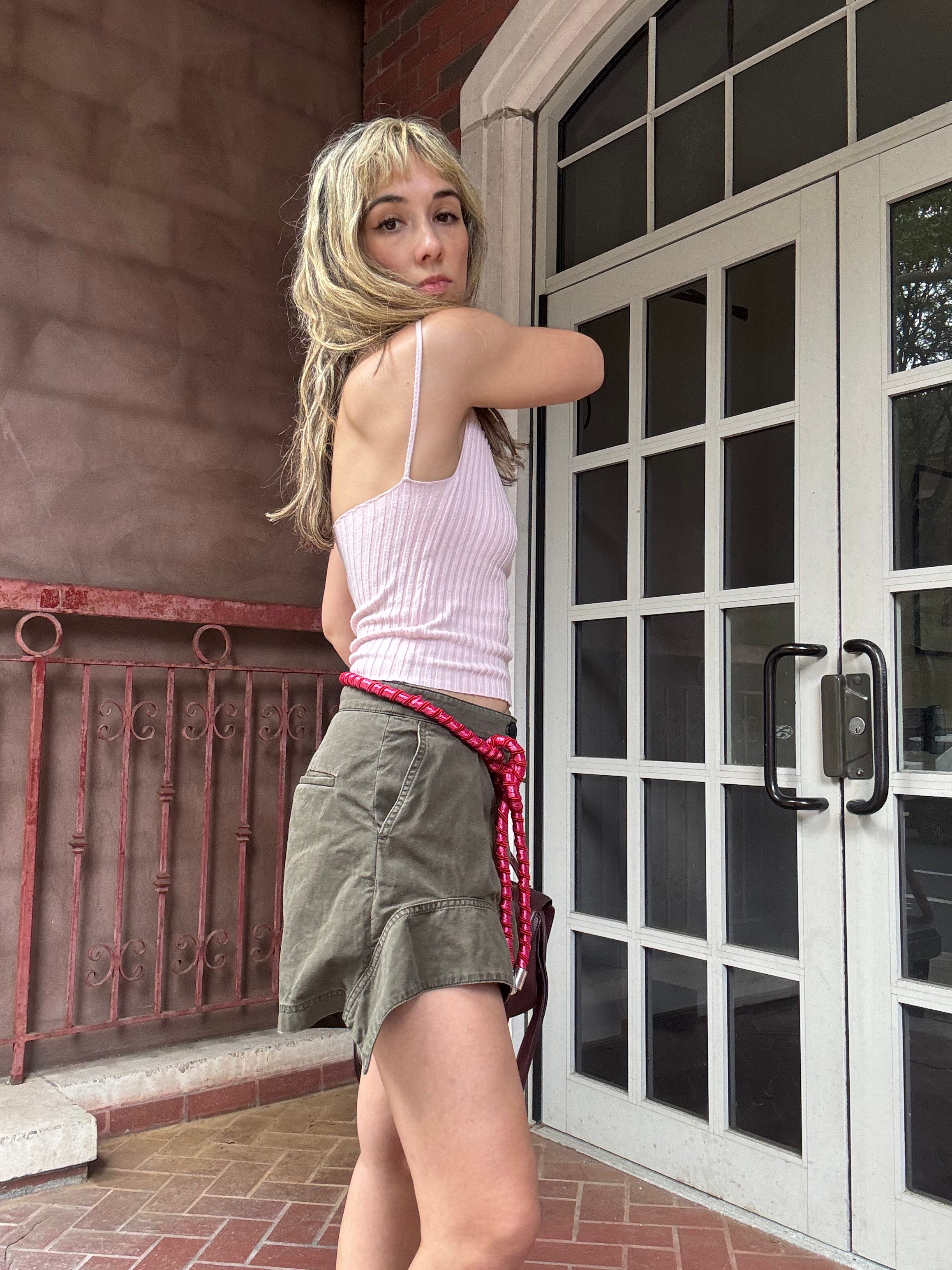
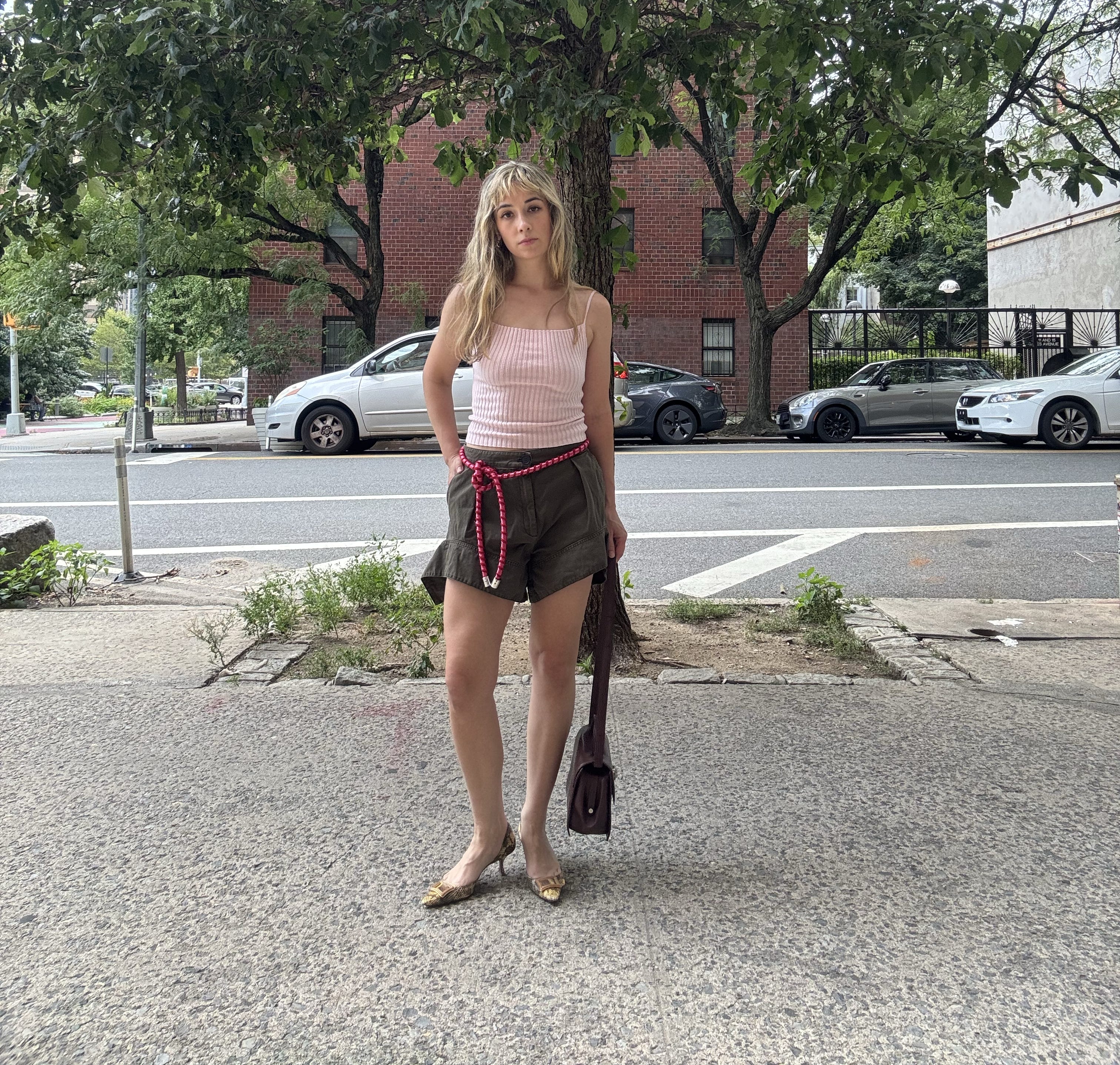
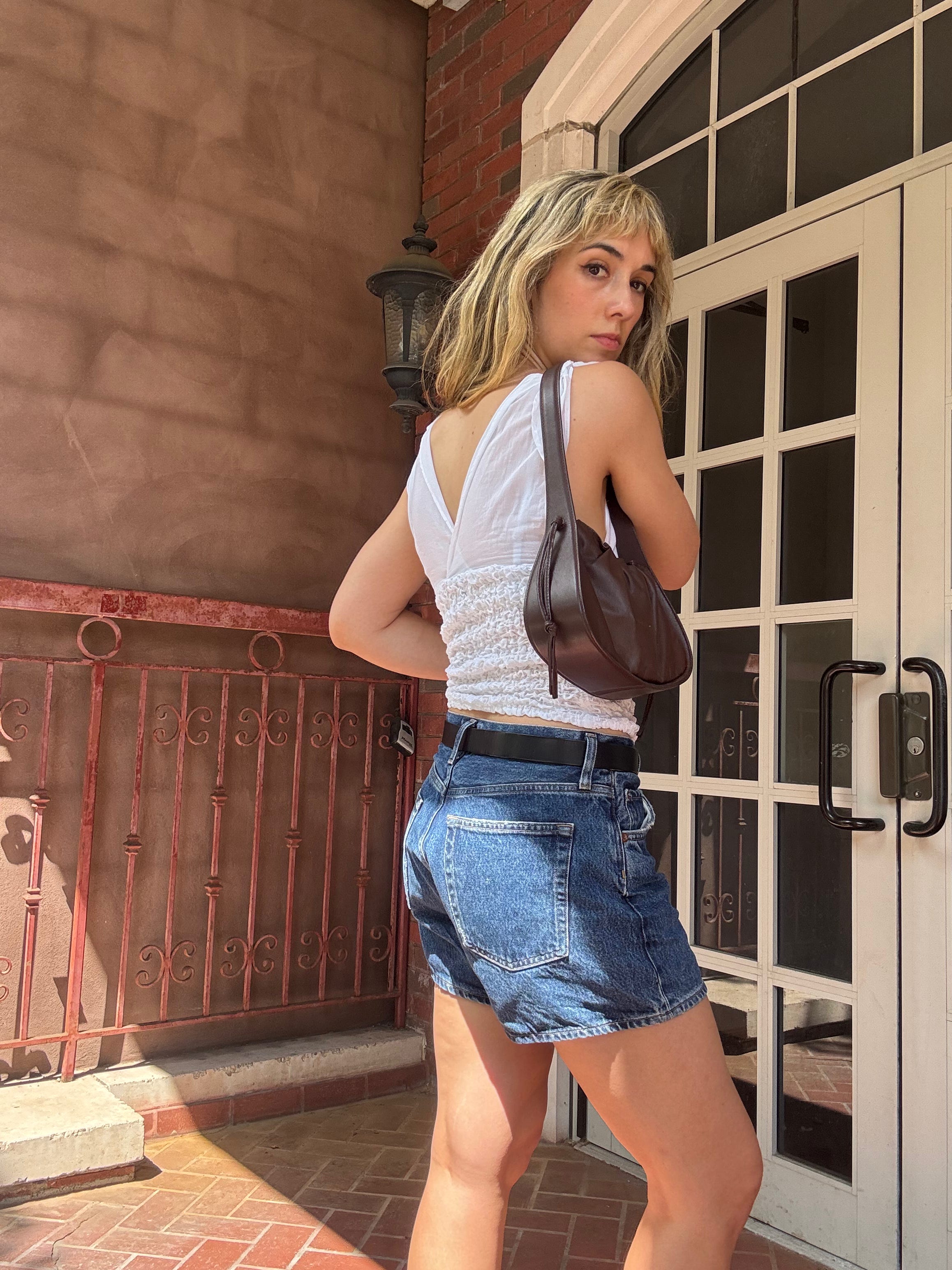
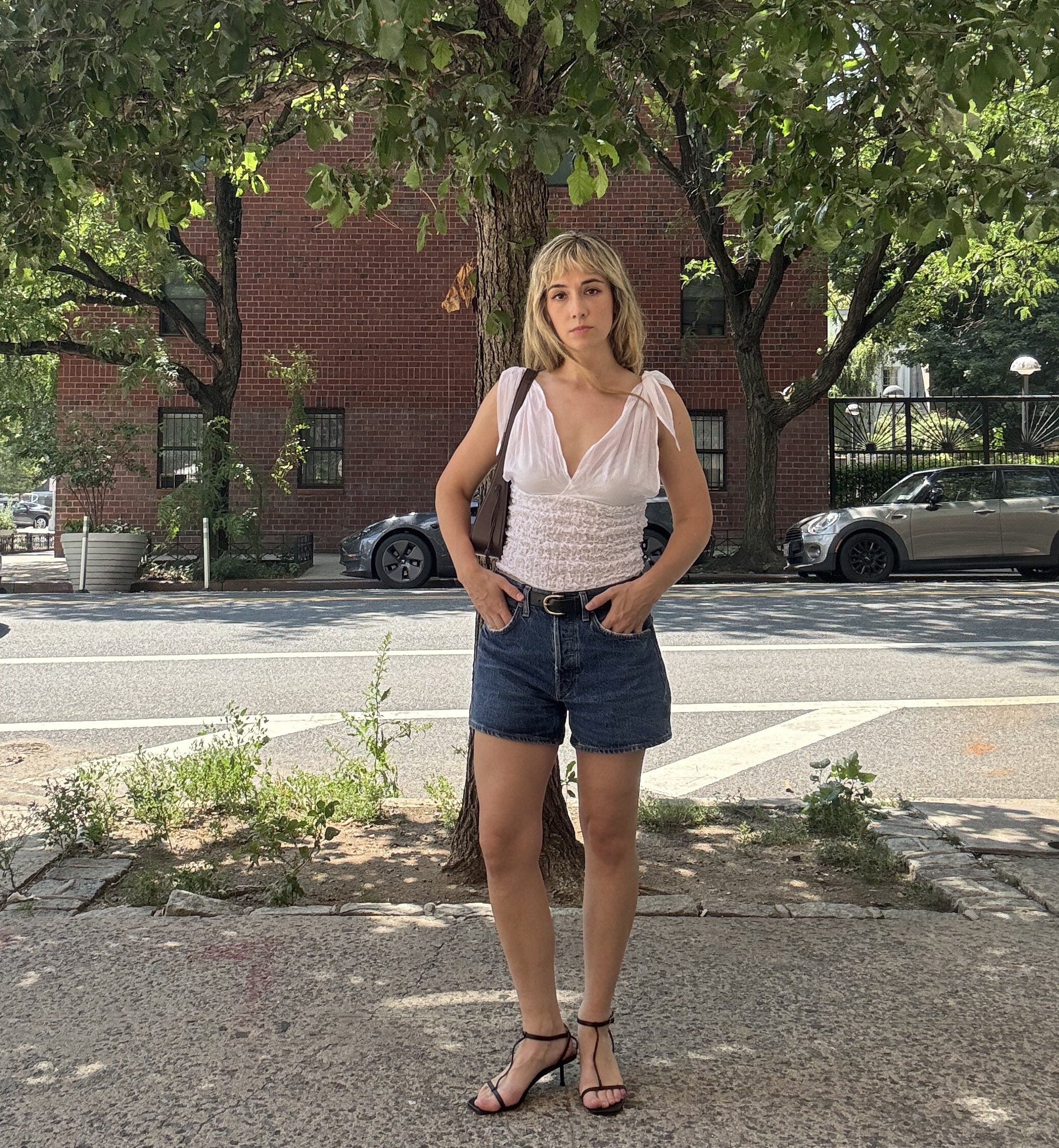
This category is sneaky because it’s sort of an amalgamation of a few pocket types. Angled entry (almost always hip) pockets (or shaped, curved, or going any direction other than within a seam) are in a way one giant patch pocket, left unstitched at the bottom (which is your leg opening). I’m probably geeking out too much on the technical design here but this style takes more seams and orders of operations than you’d expect. I’m wearing angled in a straight line pockets on my olive green shorts, below; and of course C-curve entry pockets on my denim shorts.
Straight angled pockets


C-curve front pockets
pros
easiest to put your hands inside
special denim vibe
cons
C-curve pockets are pretty specific to denim in terms of aesthetic
angled style can stretch out more than neighboring areas on the garment
laborious and requiring multiple fabrics and pattern pieces for just one pocket
Dissecting pocket innards
Like with all garment development, there are many more decisions for the design team than just whether or not to add pockets, and picking which pocket type to include. How the actual pocket bag fabric is attached to the garment, if there are facings, and how the edges of the pocket bag are finished are some of the other extra particulars when designing for pocketed garments.
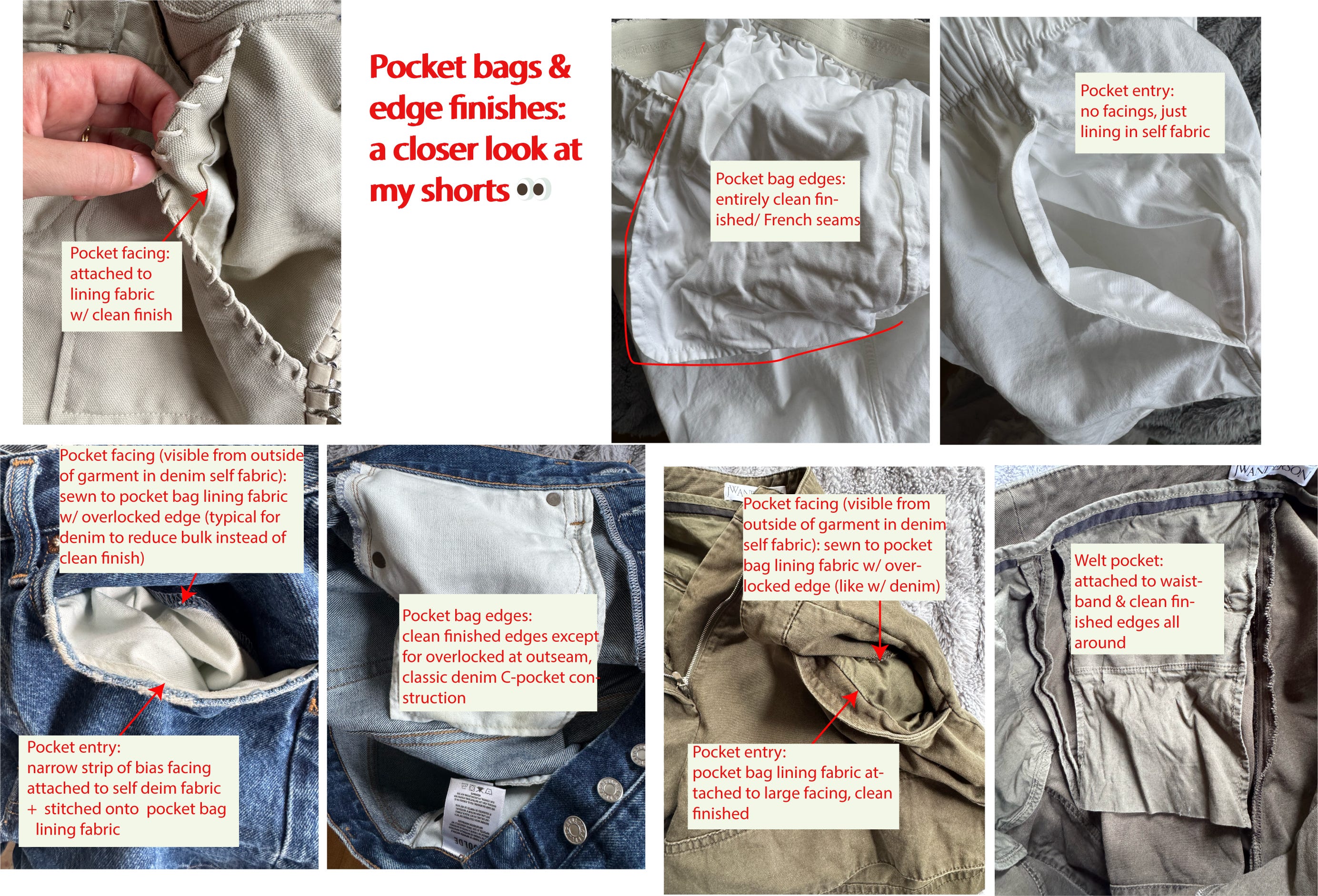
Pocketbag attachment to facing (the strip of fabric inside sometimes needed depending on design): is it clean finished (no overlocked edge) or no? This is a choice, again, that is very reliant on fabric and garment fit. While clean finished may seem like the luxurious, consistent call, it can actually add bulk in designs like denim or heavier wools.
Pocketbag or facing attachment to garment itself: bias facing (narrow strip of fabric needed for curve sewing) is typical for jeans front pockets; but adds labor and can stretch out the pocket opening. Sometimes a ribbon interior edge finish may be used for a different and elevated straight angled pocket design.
Pocketbag edge finish, itself: For this I say alwayyys clean finish, or French seam (a type of clean finished edge seam that requires a multi-step process), the interior pocket bag edges. It looks so tidy and because there are no overlocked seam allowances inside, it’s softer to the skin. I’m a picky bitch of course but one time I got a full on rash from a pair of (vintage) Banana Republic denim pants from the overlocked seam edges inside the pockets and inseam; the thread on their overlock machine (or serger) must have been cheap and synthetic because my skin was obviously not having it lmao.
Sometimes, there cannot be pockets…
While a lot of people cry out for pockets on every garment, this isn’t always an option and it doesn’t necessarily mean the brand is trying to mess with you or cut corners. For example with all over pleating, like knife pleats in wool, pockets disrupt the flow of pleats when there aren’t side seams, and so become impossible to include. The occasion for clothing bottoms that are completely sans pockets is rare; but it helps to have a better understanding of when and where they can be added at all.
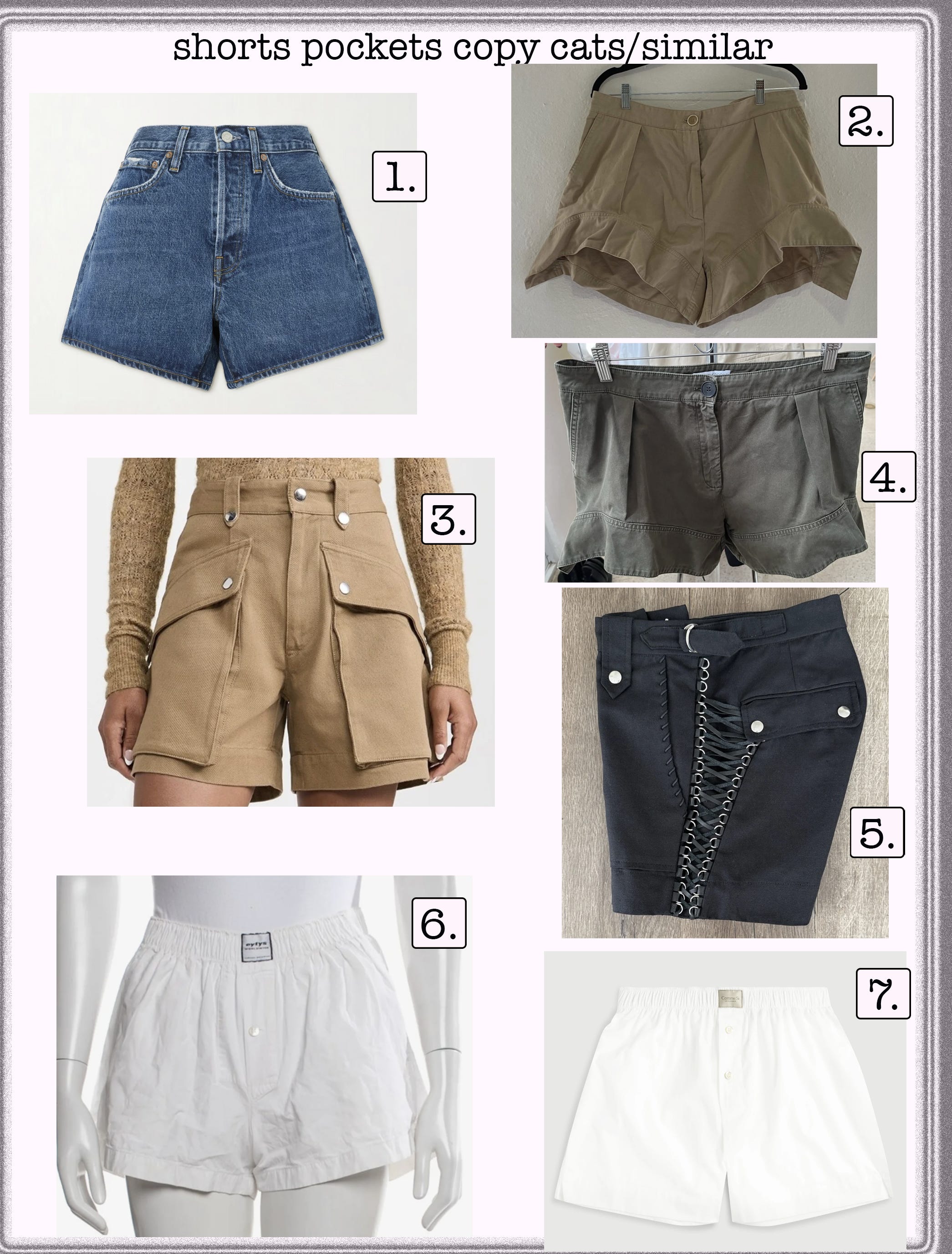
Second hand cotton 100% cotton twill shorts, same as my olive green shorts in diff size+color, sz 12 for $250
Second hand Isabel Marant 100% cotton twill shorts, same brand, similar style to my lace-up side shorts, sz M $60
Second hand cotton 100% cotton twill shorts, same as my olive green shorts in diff size, sz 8 $60
NWT Isabel Marant lace-up side shorts, same as mine diff color, sz 4 $570 (I would obvi try negotiating price w/ this Poshmark seller)
Second hand via The Real Real Eytys 100% cotton boxer shorts, same as mine diff size, sz XXS $60
Comme Si 100% cotton boxer shorts made in Italy, similar to mine, $100
As always I’ve enjoyed delving into a design detail category that’s steeped in function, and I hope you’ve come to appreciate the handbags that are attached to many of your garment bottoms. I’ll end by asking: what’s the weirdest thing you’ve ever found in your pocket? (that is, if you’re like me and shop used clothing often). For me, it was a human tooth! Closely followed by a Mormon temple recommend (like a membership card for the elite church) from a Las Vegas temple-goer, and then a lighter found in a youth cheerleading bomber jacket. Whilst you own any given piece of clothing, what you decide to keep hidden away in its pockets is your business, and therein lies the thrill of the secret world of pockets.
xHannah
This is incredible pocket knowledge. I adore the pro that is ‘special denim vibe’